Walk-In Tubs for Safer, Easier Bathing
Request an estimate for your bathroom
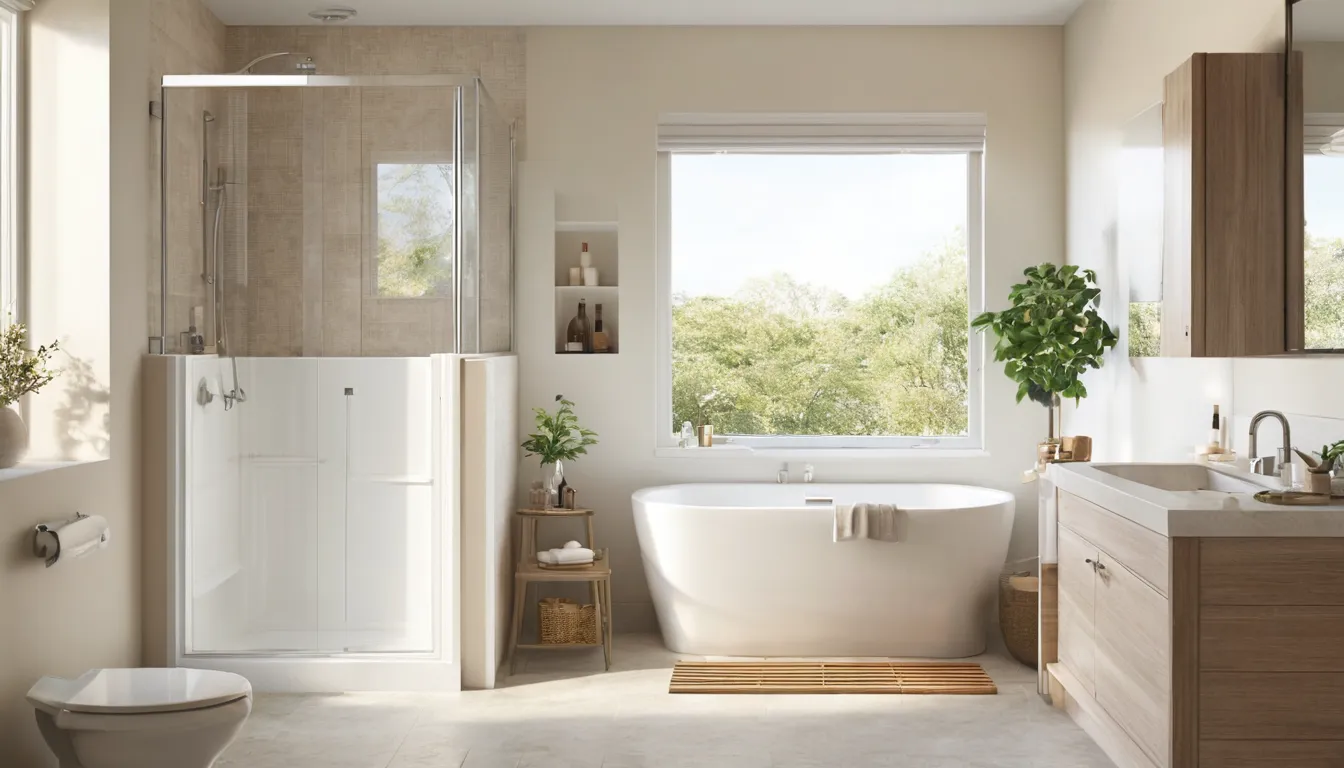
Is stepping over the tub wall starting to feel like a risk? A walk-in tub has a watertight door in the side. You walk in, sit on a built-in seat, and the tub fills around you. Many people find the warm water soothing for stiff joints, too.
Paymentareas Walk-In Tubs does not install tubs. We connect homeowners in Hamel and the Hamel area with independent local providers who measure, plan, and do the work. Tell us about your bathroom, and a provider in our network can walk you through models, timing, and a written quote. There is no obligation to move forward.
Is Bathing Starting to Feel Risky?
Maybe you grip the towel bar a little harder than you used to. Maybe you pause before lifting a leg over the tub wall. That pause is worth listening to.
A walk-in tub has a door in its side, so you step in instead of climbing over. Senior walk-in tubs are built for this exact worry. The goal is simple: ask first, then bathe, so a small concern never turns into a fall.
Who Is a Walk-In Tub a Good Fit For?
Walk-in tubs tend to suit people who like a long, warm soak but find the old tub hard to enter. Think about whether any of these sound familiar:
- Lifting your leg over a high tub wall feels unsteady.
- Sore joints or stiff muscles make a warm soak very appealing.
- You are recovering from surgery or an injury.
- You want to plan ahead before a bigger problem shows up.
- A family member helps you and needs a little more room.
A tub is not right for every body. If sitting down and getting up again is hard, a shower may be easier. A provider can talk that through with you.
Why Do the Seasons Matter for This Project?
Great question, and one many people skip. Cold winters with deep frost make a long warm soak feel wonderful. They also mean a chilly bathroom while the tub fills and drains. Since you stay seated during that time, a warm room matters.
Hot, humid summers bring moisture. A newly updated bathroom needs good airflow so mildew does not settle in. Ask a provider about a vent fan.
Severe thunderstorms can cause power outages. Many tubs use electricity for jets, heaters, or pumps. Ask what happens to the door and drain if the power drops while you are bathing.
Spring flooding is a concern if your bathroom is in a basement. Ask about drain height, backflow, and how the tub works with a sump pump setup.
Many homeowners like to plan in the quieter seasons. That leaves time to compare quotes without rushing. This is season-smart bathing, and it works.
What Features Are Common on Walk-In Tubs?
Not every tub has the same extras. Here are features you may hear about:
- A seat set at a comfortable height
- A slip-resistant floor
- Grab bars placed near the entry and seat
- A handheld shower wand
- Quick-drain systems
- Heated seat backs
- A wider door for easier entry
More features can mean a higher price and more parts to maintain. Pick the ones you will really use.
Soaker, Jetted, or Combination?
A soaker tub is the simple choice. It fills with warm water and has few moving parts. That usually means lower upkeep.
A jetted tub adds water or air jets. Many people like them for sore backs and legs. Jets need cleaning and a pump that can wear out over time.
A combination model offers both. It costs more, but it gives you choices.
Here is a coach's tip: try to sit in a display model before you decide. Seat height and depth feel very different from person to person.
What Does Installation Involve?
A provider usually starts by measuring the space and checking the plumbing. The old tub is removed. Then the new tub is set in place, connected to water and drain lines, and sealed. If the model has jets or heaters, an electrical connection is needed too.
Frame houses from many decades ago may have older pipes or floors that need attention. Bungalows and ranch homes often have tighter bathrooms, so measuring matters a lot. Your provider will tell you if a wall, floor, or doorway needs changes.
Most homeowners should plan for the bathroom to be out of use for a short stretch. Ask your provider for a timeline in writing.
Will Your Water Heater Keep Up?
Walk-in tubs often hold more water than a standard tub, and you sit in the water while it fills. If the water cools halfway, the soak is not much fun.
Check the size and age of your water heater. Ask the provider how much water the tub holds and how long it takes to fill. Some homeowners add a larger heater or a tub with a quick-heat feature. This matters more in deep-frost months, when incoming water is colder.
Request a callback to check provider availability and ask whether someone can look at your setup.
What Should You Ask the Provider?
Write your questions down before the visit. Good ones include:
- What is the full price, including removal, plumbing, and electrical work?
- How long will the bathroom be unusable?
- How long does it take the tub to fill and drain?
- What does the warranty cover, and who handles repairs?
- What upkeep does this model need?
- Will the door seal hold up in a house with older plumbing?
Ask for everything in writing. A clear quote helps you compare fairly.
Involve the Person Who Will Use It
The person who bathes in the tub should help choose it. Height, balance, strength, and comfort all vary. A tub that suits one person may feel awkward to another.
Invite them to every visit and to the showroom. Ask how they feel sitting, standing, and reaching the controls. If a caregiver helps, include them too.
How Do You Care for the Tub After It Is Installed?
Prevention after the work is the part people forget. A little care keeps the tub safe for years.
- Rinse and wipe the tub after each use.
- Run a cleaning cycle through jets as the maker advises.
- Check the door seal for cracks or gaps.
- Watch for drips around the door and drain.
- Test grab bars to make sure they are firm.
- Keep a non-slip mat outside the tub.
Spring and fall are good times for a quick check. Before winter, make sure the bathroom stays warm enough to protect the pipes. After a big storm, confirm that everything still drains well.
Ready to Take the Next Step?
You do not need to have every answer. Tell us about your bathroom and who will be bathing. Paymentareas Walk-In Tubs will connect you with an independent local provider who can answer the rest. Safe today, steady tomorrow.
What's Included
Step-In Door Access
A sealed side door lets you walk in and sit down without climbing over a tall tub wall.
Built-In Seat
A seat at a comfortable height supports you while the tub fills and drains.
Safety Extras
Grab bars, slip-resistant floors, and handheld sprayers add steadiness before, during, and after your soak.
Warm Soak Options
Choose soaker, jetted, or combination models to match your comfort needs, budget, and the upkeep you want.
What Do Walk-In Tubs Typically Cost?
Prices vary a lot by model, bathroom layout, and plumbing needs. These are typical U.S. ranges only. Ask any provider for a written quote that lists every line item before you decide.
| Item | Typical range | Notes |
|---|---|---|
| Basic soaker tub with installation | $4,000 – $9,000 | Fewer parts, simpler upkeep |
| Jetted or air-jet model installed | $6,000 – $14,000 | Pumps need regular cleaning |
| Combination soaker and jets | $8,000 – $18,000 | More features, higher price |
| Plumbing and electrical updates | $500 – $3,000 | Older homes may need more |
| Floor or wall repair | $300 – $2,500 | Depends on what is found |
| Larger water heater or upgrade | $800 – $3,000 | Helps fill the tub with warm water |
How It Works
Tell Us About Your Bathroom
Share your location, the room's size, and who will use the tub through our short request form.
Get Matched With a Provider
Paymentareas Walk-In Tubs connects you with an independent local provider in our network.
Review the Written Quote
The provider visits, measures the space, and explains models, timing, and prices in writing.
Schedule and Maintain
If you move forward, the provider does the work. Then you follow simple upkeep habits.
Why Call Paymentareas Walk-In Tubs
Local Providers
Providers in our network are independent businesses in your area, so you talk with people who know local homes and weather.
Plain Guidance
We explain each step in simple words so you know what to expect.
Season-Smart Planning
Winter frost, humid summers, and spring flooding can shape timing, and we encourage you to plan for them.
No Pressure
Request an estimate, compare your options, and decide at your pace with no obligation.
Other Services
Need walk-in tubs in Hamel?
Ready to make bathing safer? Send an estimate request and a local provider in our network will follow up to talk it through.
No obligationWalk-In Tubs FAQ
How much does a walk-in tub cost in the U.S.?
Typical installed prices run from about $4,000 for a basic soaker to $18,000 or more for a combination model. Costs vary by plumbing, electrical needs, and bathroom layout, so get a written quote.
Will insurance or Medicare pay for a walk-in tub?
Coverage is uncommon and depends on your plan. Medicare usually does not pay for walk-in tubs. Check with your insurer, and ask the provider what paperwork they can supply.
How long does it take to install a walk-in tub?
Many installs take a few days, but it depends on the bathroom and any repairs. Ask your provider for a timeline in writing.
Tell us what happened
Ready to make bathing safer? Send an estimate request and a local provider in our network will follow up to talk it through.
No obligation